Floating Docks
Why Floating Docks Are Perfect for Mucky Lakes
Soft, muddy shorelines? No problem. Here's why floating docks outperform traditional posts in the muckiest of lakes.
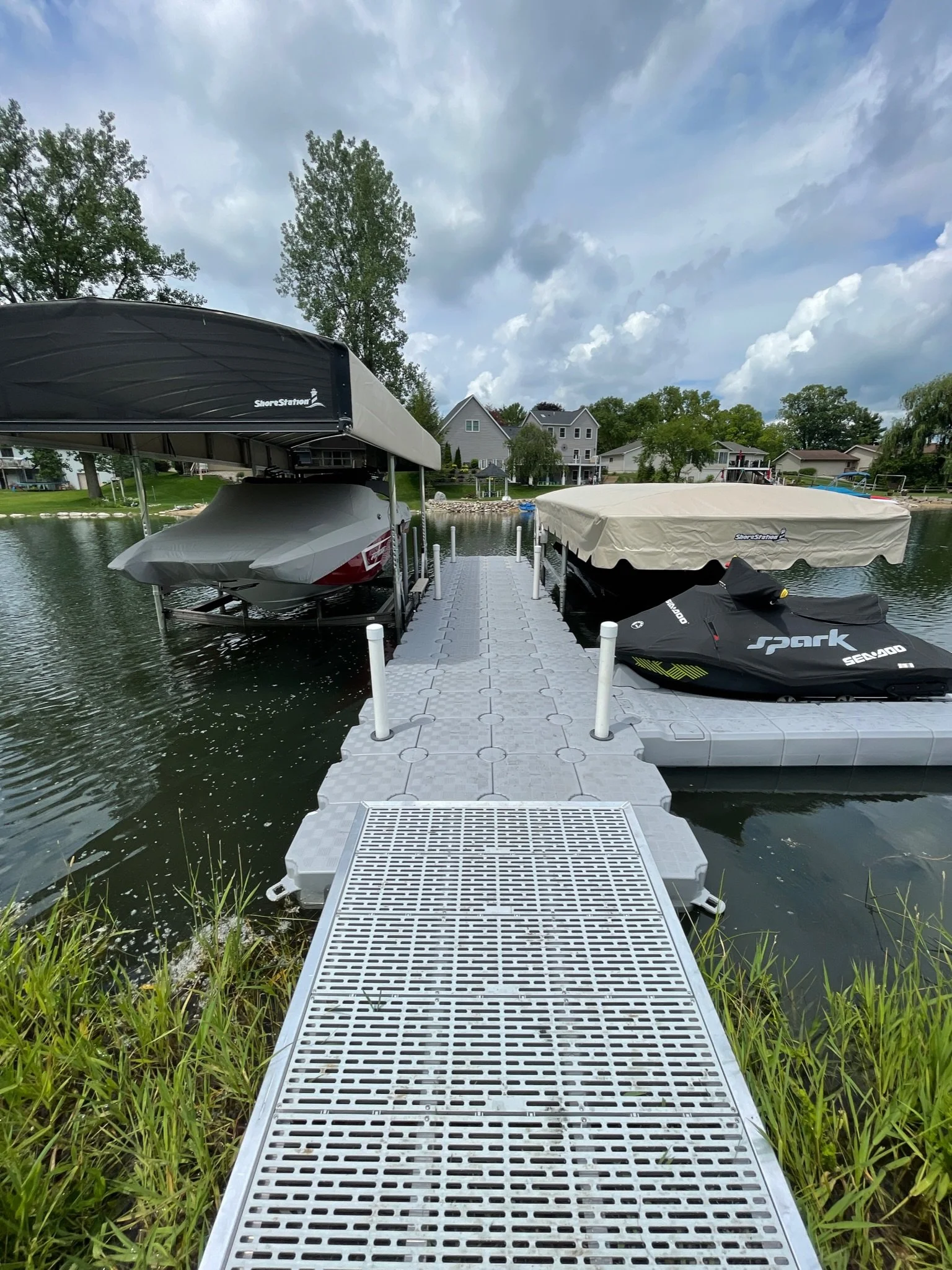
If you own a waterfront property with a soft, muddy, or deep lake bottom, you already know the challenges of installing and maintaining a traditional dock. Posts and pilings simply don't hold up in unstable ground. That's where floating docks come in — a durable, flexible, and low-maintenance option that adapts to your shoreline.
1. They Don't Sink Into Muck
- Traditional post docks require a firm base, but in soft soil, posts and plates shift or sink.
- Floating docks sit on the water's surface, making them stable regardless of what's beneath.
2. Easy to Install & Adjust
- Floating docks can be installed in areas where standard solutions are nearly impossible.
- Their modular design makes them easy to expand or reposition as your needs change.
3. Adaptable to Water Depth Changes
- Lakes with fluctuating water levels cause major problems for fixed docks.
- Floating docks automatically rise and fall with the water, giving you consistent access year-round.
4. Built to Last
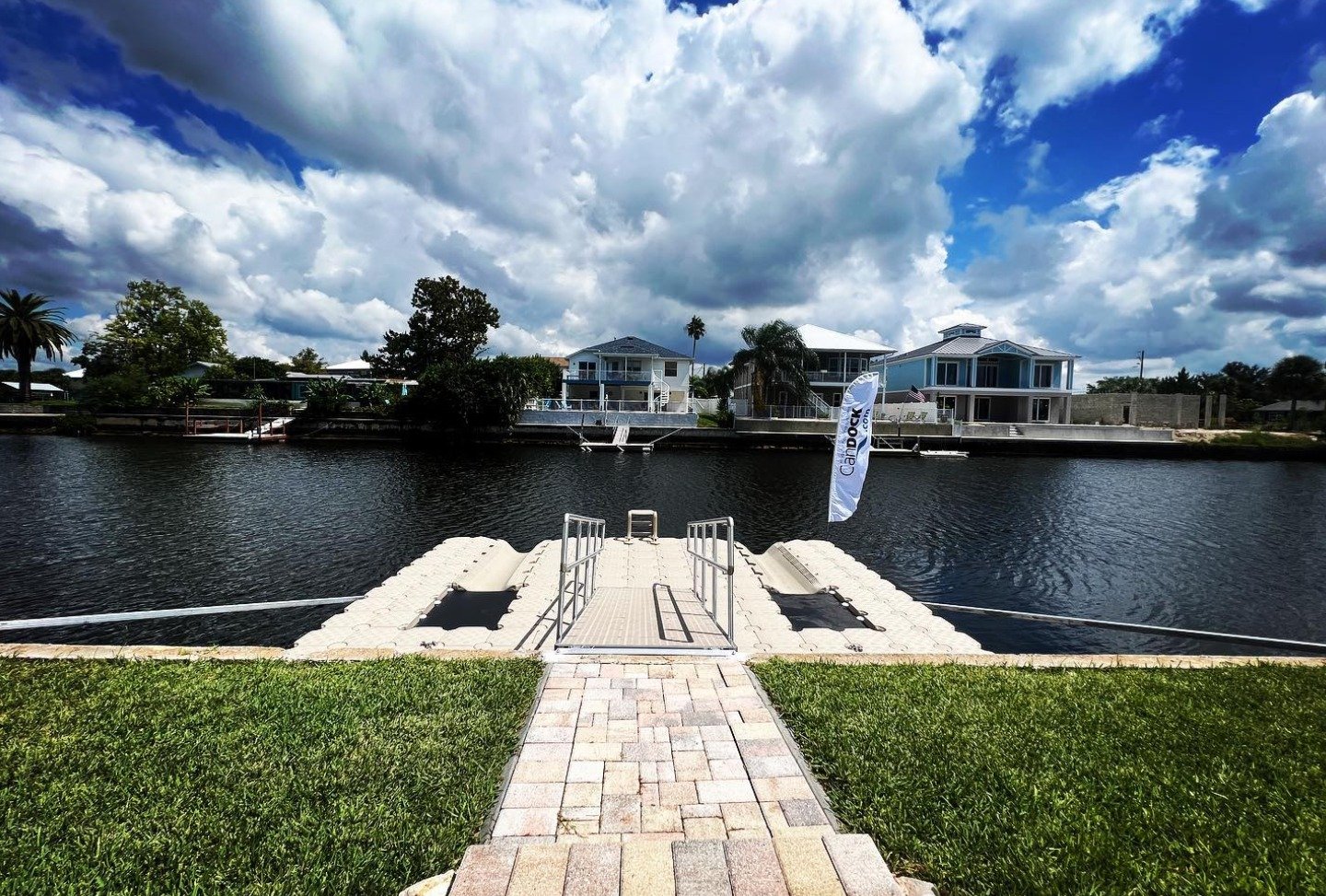
- Systems like CanDock are built from durable, UV-resistant plastic.
- They're low-maintenance and designed to withstand heavy use and harsh conditions.
5. Great for More Than Just Boats
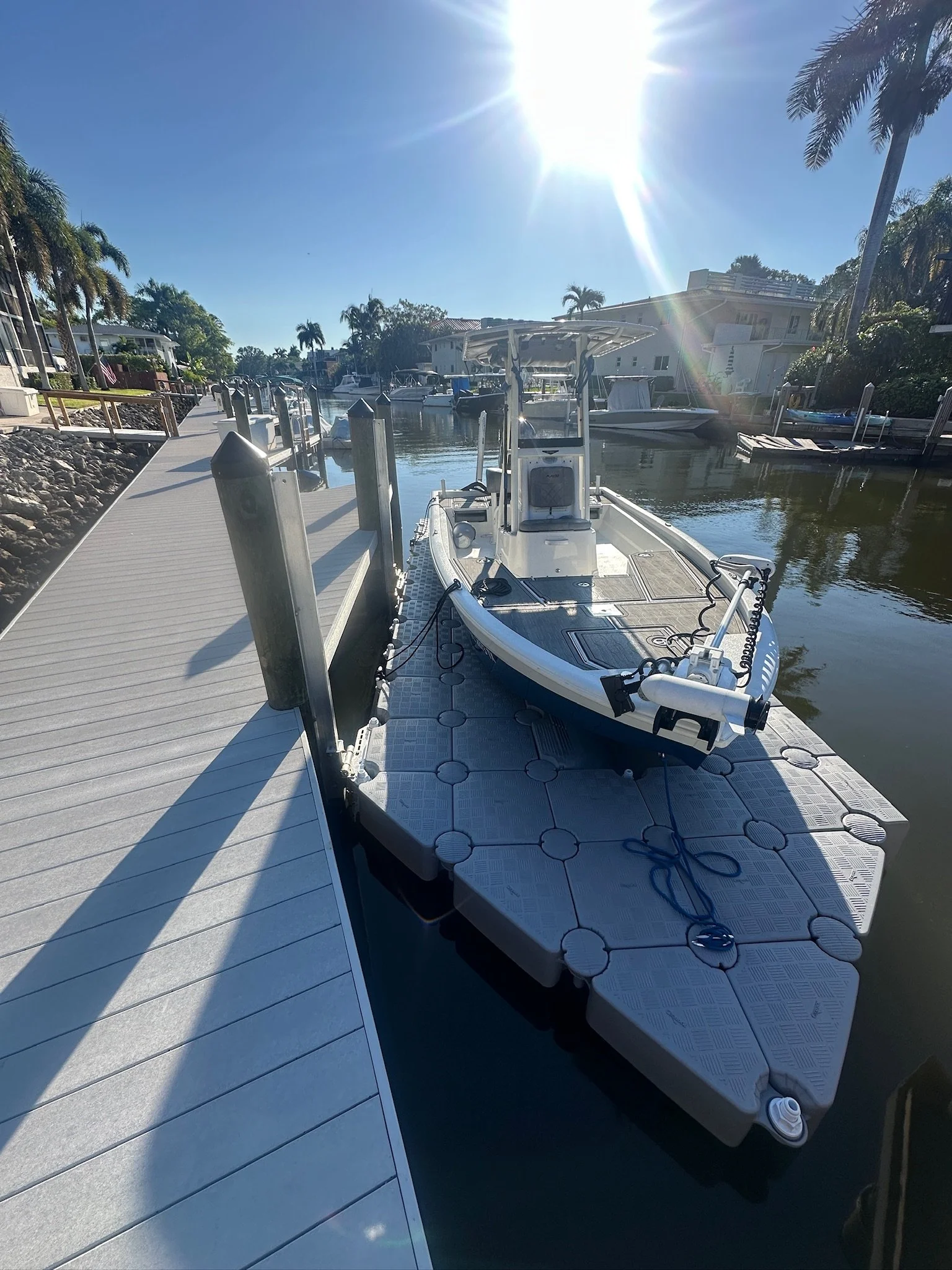
- Floating docks aren't just for mooring — they're perfect for swim platforms, kayak launches, or lounging spaces.
- Their versatility makes them a smart investment for any lakefront owner.
When the water bottom is less than ideal, floating docks are the solution. They're strong, versatile, and designed to perform where traditional docks fail.
Explore next
Planning Your Waterfront?
Tell us about your dock, boat lift, floating dock, or drive-on project and we'll help you figure out what makes sense for your property.