Why More Florida Homeowners Are Switching to Zero-Maintenance Docks
Florida's harsh sun, saltwater, and year-round humidity destroy traditional docks fast. Here's why zero-maintenance modular CanDock systems hold up where wood and aluminum don't.
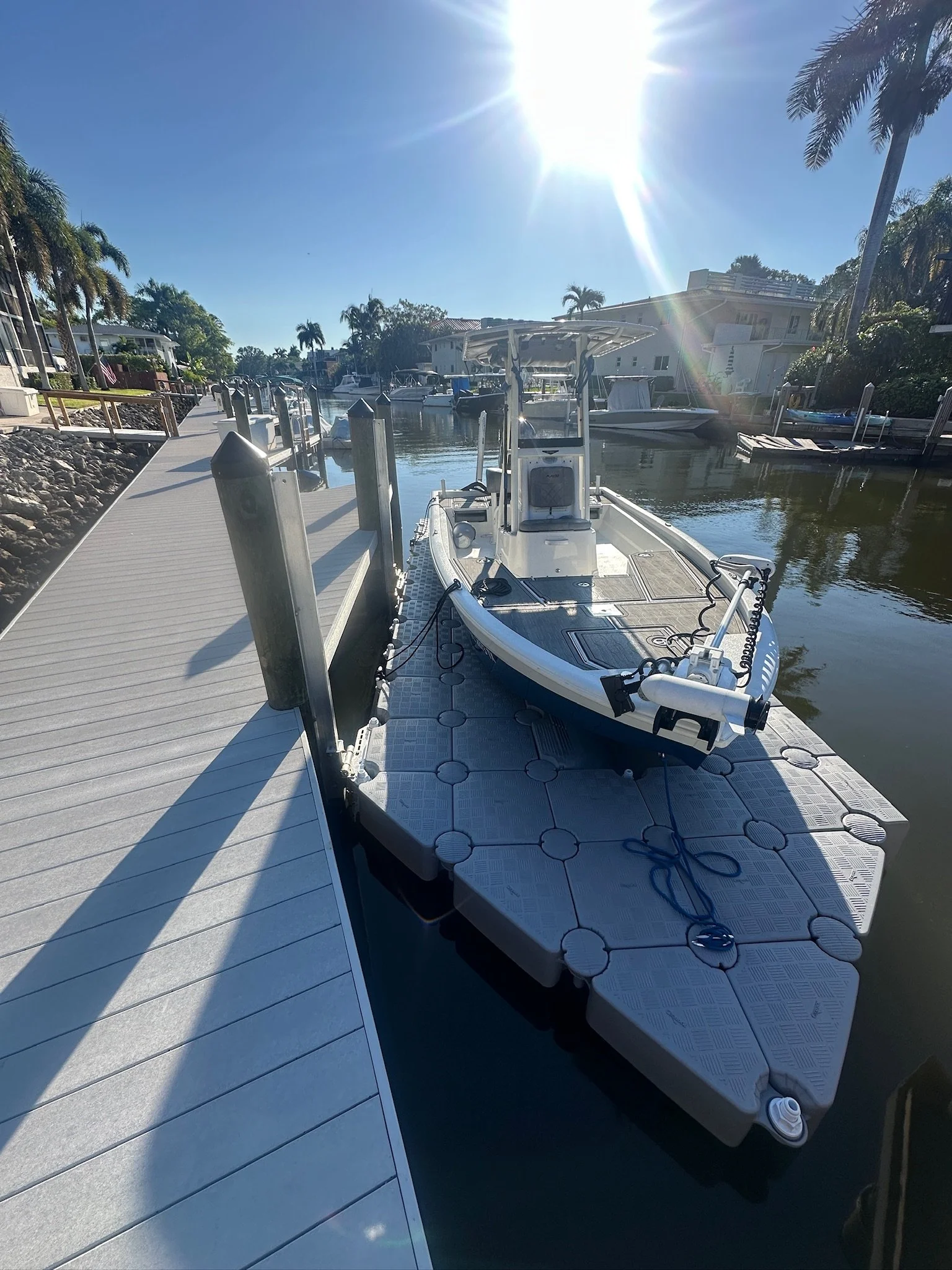
Owning a waterfront home in Florida is all about enjoying the lifestyle — boating, sunset cruises, weekends on the water, and year-round sunshine. What shouldn't come with it? Constant dock repairs, pressure washing, replacing rotten boards, and spending every spring fixing damage from saltwater or storms.
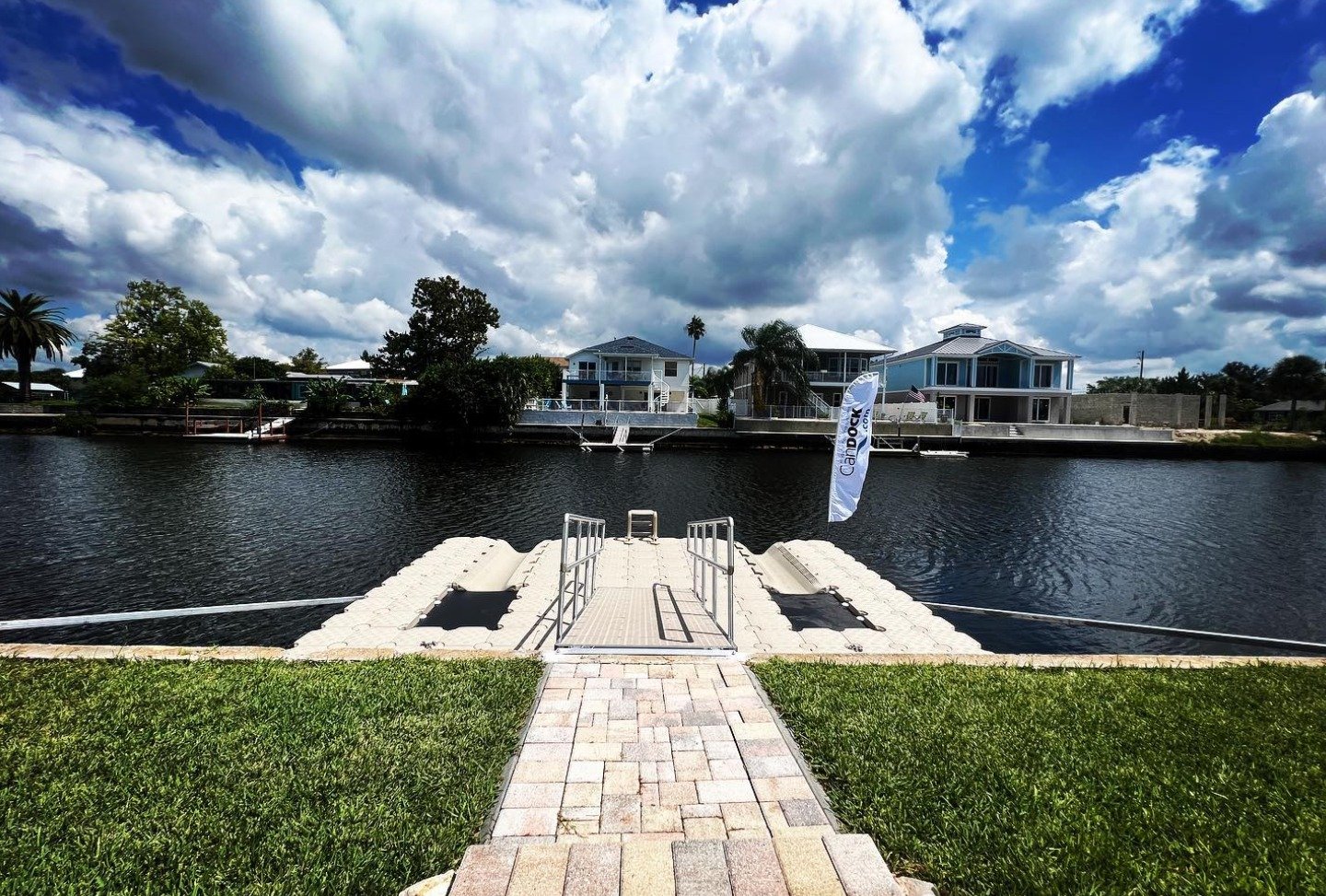
That's why homeowners across Tampa Bay, St. Pete, Bradenton, Sarasota, Venice, Port Charlotte, Punta Gorda, Ft. Myers, Cape Coral, Naples, and Marco Island have been switching to zero-maintenance CanDock floating docks. These modular systems are built for Florida's climate, tide changes, and brackish conditions — with no annual maintenance required.
1. Florida Weather Destroys Traditional Docks Fast
Saltwater, humidity, and UV exposure are a brutal combination.
- Wood docks rot, warp, splinter, and attract marine growth.
- Aluminum docks oxidize, loosen, and corrode in brackish canals.
- Composite decks still require cleaning, painting, and periodic repairs.
With CanDock there is:
- No rot
- No corrosion
- No paint or stain
- No cracked decking
- No splinters
- No replacing boards every few years
2. Zero Maintenance Means More Time on the Water
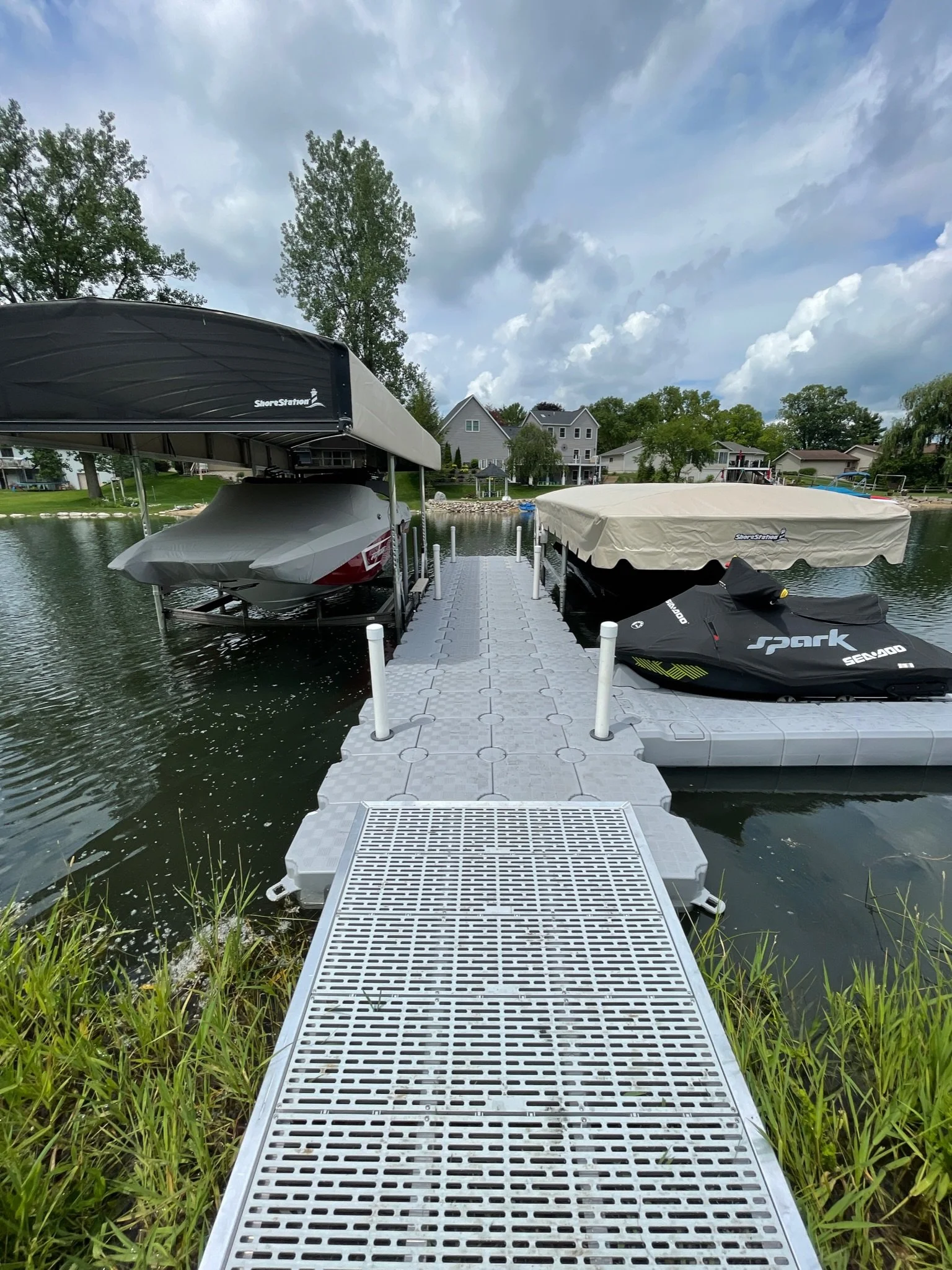
CanDock's HDPE modular system needs no seasonal repairs, no resurfacing, and no structural maintenance. Hose it off occasionally — that's it.
Instead of spending weekends working on your dock, you're spending them cruising the canals, fishing, tying up friends' boats, watching sunsets, and hosting gatherings.
3. Built for Tides, Hurricanes & Changing Water Levels
Floating docks make sense in Florida — especially in:
- Canal homes
- Riverfront homes
- Backwater and mangrove areas
- Gulf-access neighborhoods
- Shallow flats and estuaries
CanDock naturally rises and falls with water level changes, making it safer and more stable than many fixed docks. During tropical storms and hurricanes, modular systems can be detached and removed, weighted down, or secured to ride the surge. They recover faster and suffer far less damage than traditional dock styles.
4. Works Perfectly for PWCs, Boats & Kayaks
CanDock systems can be customized for:
- JetRoll for jet skis
- JetSlide for small boats (referenced historically; current CanDock drive-on access uses the JetRoll and V-Roll/V-Cube systems)
- Floating platforms
- Walkways and swim platforms
- Kayak launches
- Custom tie-up areas
Everything is modular — add on whenever you want.
5. Designed for Saltwater & Brackish Canals
One of the biggest advantages CanDock has in a coastal environment is its resistance to salt corrosion, algae and marine growth, barnacles, UV breakdown, and sand abrasion. Unlike metal or wood, HDPE does not degrade in saltwater.
6. Long-Term Savings Are Significant
A traditional dock can cost thousands every few years in repairs, new decking, repainting, pressure washing, hardware replacement, and storm damage. CanDock avoids all of that, and the long-term cost of ownership becomes significantly lower.
7. Installed Quickly & Easily — Even in Tight Canals
Florida canal homes are unique: narrow, long seawalls, tight turns, shallow water. CanDock works well there because it's modular, lightweight, configurable, and installable almost anywhere.
A Dock You Enjoy Instead of Maintain
Homeowners choose zero-maintenance docks for one simple reason: more enjoyment, less work. If you'd like to learn more about modular CanDock floating dock systems, or ask about current service areas and availability, contact Beach Bumz Marine.
Explore next
Planning Your Waterfront?
Tell us about your dock, boat lift, floating dock, or drive-on project and we'll help you figure out what makes sense for your property.